We Can’t Wait Another Decade: Why Inclusion Is an Emergency, Not an Option
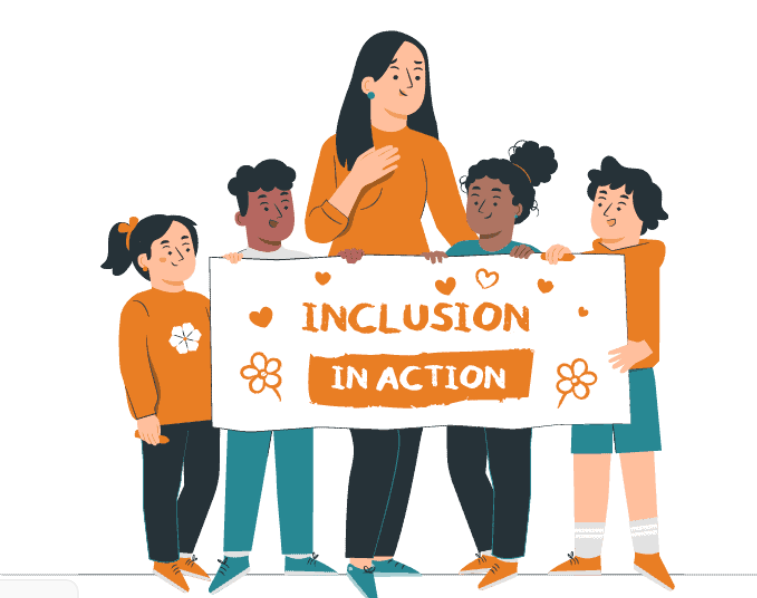
We cannot afford to wait another decade.
Those words from a recent podcast episode stopped me cold. Not because they were dramatic, but because they were true. The speaker wasn’t asking for sympathy. They were issuing a call to action. And if you listen closely, you’ll realize they’re talking about your community, your schools, and your future.
The Hidden Crisis in Our Classrooms
Every year we delay meaningful inclusive education, another cohort of differently abled children ages out of the school system. Not because they can’t learn. Not because they have nothing to contribute. But because the system wasn’t built for them. After graduation, if you can call it that, what awaits is no job, no independence, and no dignity. That is not a failure of those children. It is a failure for us.
What We Have vs. What We Lack
We already know what works. We don’t need to wait for a scientific breakthrough or a massive government windfall. The blueprint for inclusive education exists. The low-cost tools are available: trained teachers, simple physical ramps, flexible curricula. What’s missing is the will. That’s harder to manufacture than concrete or textbooks. Will means choosing to prioritize children who have been ignored for generations. Will means spending political capital on students who don’t vote. Will means admitting that “waiting for the perfect moment” is just a polite way of saying “never.”
Pity Does Not Build a Future
The podcast reminded us of an uncomfortable truth: we often mistake pity for compassion. We feel sad when we see a child with a disability struggling. We shake our heads. Maybe we share an emotional post online. But pity is passive. Pity changes nothing. Action changes everything. A ramp costs less than a lifetime of hospital visits. A trained teacher costs less than a lifetime of unemployment. An inclusive classroom today creates a taxpayer tomorrow. Those aren’t slogans. They are arithmetic.
The Return on Inclusion
An inclusive classroom today creates a taxpayer tomorrow. Some people frame inclusion as a charitable expense. That’s exactly backward. Every child who graduates with skills, confidence, and a pathway to employment doesn’t just stop being a burden, they become a contributor. They pay taxes. They start businesses. They hire others. Exclusion, on the other hand, is the most expensive option of all. It guarantees a lifetime of dependency, healthcare costs, and lost potential.
What You Can Do This Week
You don’t have to run a school or write a law to make a difference. Start by asking the hard question at your next school board or PTA meeting: “What is our plan for inclusive education? Not next decade. Now.” Then, look for the physical barriers. Walk through your local school or community center. Is there a ramp missing? Point it out, and offer to help raise funds for a fix. You can also support teacher training, because a single scholarship for an educator to learn special education strategies can impact hundreds of students over a career. Finally, change the story you tell. Stop using pity language like “suffering from” or “wheelchair-bound.” Use dignity language instead. Talk about capability, not charity.
The Decade Starts Now
The speaker on that podcast understood something vital: time is not neutral. Every year we wait, real children lose their chance. They don’t get a do-over. They don’t get to age back into the system. We can choose to be the generation that stopped waiting. We have the knowledge. We have the resources. Now we just need the will. Let’s not make them ask twice.
For more articles from Teaching For Success, visit our website www.teachingforsuccess.ca.